

How Weather Affect Your Engine Control Module (ECM)
Your vehicle’s Engine Control Module (ECM) is built to withstand a wide range of operating conditions, but extreme temperatures can still affect its performance and longevity. Whether you’re driving through scorching summer heat or freezing winter conditions, your engine computer works continuously to keep your vehicle running efficiently.
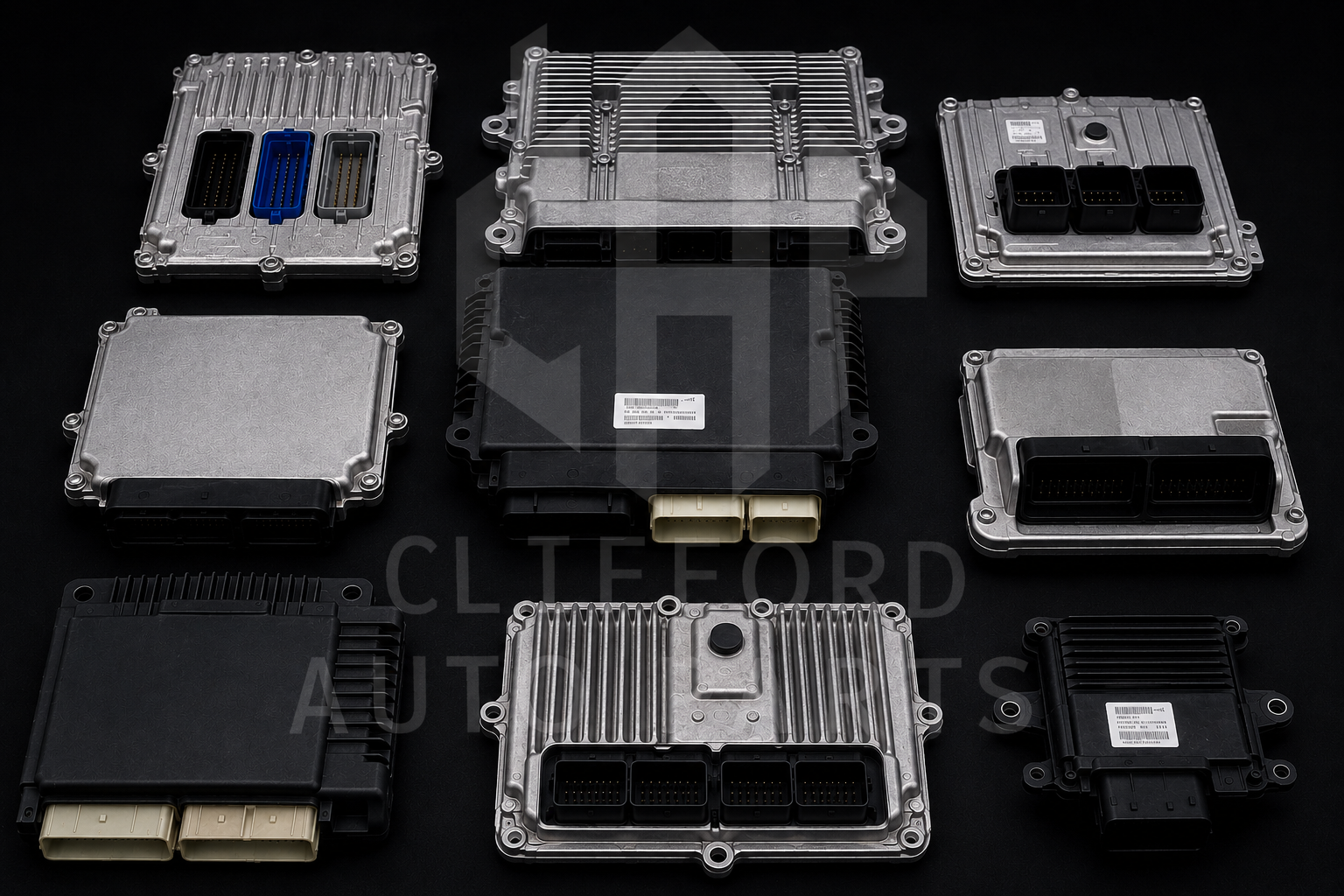
Understanding how temperature affects your ECM can help you prevent unexpected breakdowns, improve reliability, and extend the life of one of your vehicle’s most important electronic components.
What Does the ECM Do?
The Engine Control Module (ECM) is the primary computer that controls engine operation. It monitors data from sensors throughout the vehicle and adjusts critical systems such as:
- Fuel injection
- Ignition timing
- Air-to-fuel ratio
- Idle speed
- Emissions controls
- Cooling system operation
Every second, the ECM processes thousands of calculations to deliver smooth performance, efficient fuel consumption, and reduced emissions.
How Extreme Heat Can Affect an ECM
High temperatures place significant stress on automotive electronics. While ECMs are designed to operate in hot environments, prolonged exposure to excessive heat can accelerate wear over time.
Electronic Component Stress
Continuous heat can gradually weaken solder joints, electronic circuits, and internal components. Over many years, this may contribute to intermittent electrical issues.
Increased Engine Bay Temperatures
Vehicles operating in heavy traffic, towing loads, or driving in extremely hot climates generate additional engine heat. The ECM must continue functioning despite these demanding conditions.
Battery and Charging System Strain
Hot weather can also shorten battery life. A weak battery or unstable charging system may create voltage fluctuations that affect electronic modules.
How Cold Weather Can Impact the ECM
Freezing temperatures create a different set of challenges.
Hard Starts
Cold engines require richer fuel mixtures during startup. The ECM manages this process using information from coolant temperature and intake air sensors.
If the ECM or related sensors aren’t functioning properly, cold starts may become more difficult.
Battery Performance
Low temperatures reduce battery output. Since the ECM depends on stable voltage, a weak battery can contribute to starting problems and electronic communication issues.
Moisture and Condensation
Rapid temperature changes may create condensation inside electrical connectors. Over time, moisture can contribute to corrosion and poor electrical connections.
Warning Signs Your ECM May Be Affected
Temperature-related issues don’t always indicate a failed ECM, but they shouldn’t be ignored.
Common symptoms include:
- Check Engine Light
- Engine cranks but won’t start
- Rough idle
- Reduced fuel economy
- Poor acceleration
- Random stalling
- Intermittent electrical problems
- Communication fault codes
If these symptoms appear repeatedly, professional diagnostics can help identify the root cause.
How to Protect Your ECM Year-Round
Preventive maintenance is the best way to keep your engine computer operating reliably.
Keep Your Battery Healthy
A properly functioning battery and charging system provide the stable voltage your ECM requires.
Inspect Electrical Connections
Loose or corroded connectors can create communication problems, especially in humid or cold climates.
Repair Cooling System Problems Promptly
An overheating engine increases temperatures throughout the engine compartment, placing additional stress on electronic components.
Avoid Water Intrusion
After severe storms or engine washing, inspect for signs of moisture around electrical connectors and engine components.
Address Warning Lights Early
Ignoring dashboard warning lights can allow small issues to develop into more expensive repairs.
Schedule Routine Diagnostics
Regular diagnostic inspections help identify sensor or electrical issues before they affect ECM performance.
Why Professional Diagnostics Matter
Many ECM symptoms are actually caused by failing sensors, wiring problems, or charging system issues. Because modern vehicles rely on dozens of interconnected electronic systems, professional diagnostics are essential for identifying the actual cause of a problem.
Replacing an ECM without proper testing can result in unnecessary expense if another component is responsible.
Why Choose Clifford Auto Parts?
At Clifford Auto Parts, we understand how important reliable electronic components are to your vehicle’s performance.
We offer:
- Professionally tested Engine Control Modules (ECMs)
- Powertrain Control Modules (PCMs)
- Engine Control Units (ECUs)
- Transmission Control Modules (TCMs)
- VIN programming for compatible applications
- Plug-and-play solutions where applicable
- Fast nationwide shipping
- Lifetime warranty on many products
- Knowledgeable customer support
Whether you’re replacing a failed engine computer or looking for expert guidance, our team is here to help.
Final Thoughts
Extreme heat and cold can place additional stress on your vehicle’s Engine Control Module and the electrical systems that support it. While ECMs are designed for durability, routine maintenance, prompt attention to warning signs, and a healthy electrical system can help maximize their lifespan.
If your vehicle requires a replacement ECM, choosing a professionally tested and properly programmed module helps ensure dependable performance and long-term reliability.
Explore our selection of quality ECMs, PCMs, ECUs, and TCMs backed by expert support and fast nationwide shipping.