

7 Expert Tips to Extend the Life of Your ECM | Clifford Auto Parts
7 Expert Tips to Extend the Life of Your ECM
Your Engine Control Module (ECM) is the brain of your vehicle, controlling essential engine functions such as fuel injection, ignition timing, emissions, and overall performance. While modern ECMs are built to be highly reliable, poor maintenance, electrical issues, and environmental factors can shorten their lifespan.
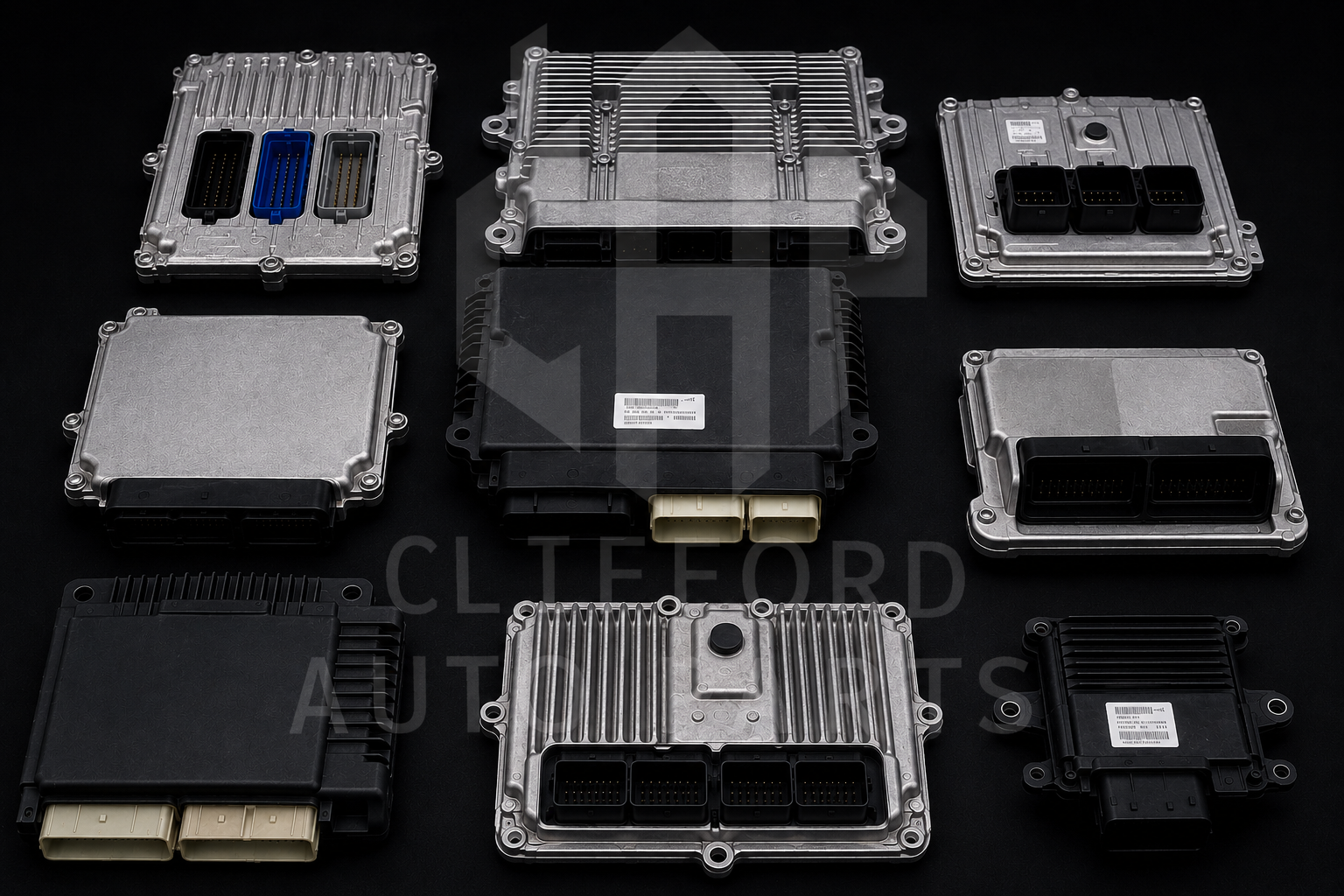
Fortunately, a few simple maintenance practices can help protect your ECM, improve vehicle performance, and prevent expensive repairs.
1. Keep Your Battery and Charging System in Top Condition
Your ECM depends on a stable power supply to operate correctly. A weak battery, failing alternator, or corroded battery terminals can cause voltage fluctuations that may damage sensitive electronic components.
Regularly inspect your battery, clean the terminals, and have your charging system tested during routine maintenance to ensure it is operating within the manufacturer’s recommended specifications.
2. Address Electrical Problems Immediately
Faulty wiring, damaged connectors, blown fuses, or short circuits can interfere with communication between your ECM and other vehicle systems. Ignoring these issues can place unnecessary stress on the engine computer and lead to more serious failures.
If you notice flickering lights, intermittent electrical issues, or warning lights on the dashboard, have your vehicle inspected as soon as possible.
3. Protect the ECM from Water and Moisture
Moisture is one of the leading causes of ECM failure. Water intrusion can corrode internal circuits and electrical connectors, resulting in communication errors or complete module failure.
Avoid driving through deep water whenever possible, repair leaking engine seals promptly, and ensure the ECM housing and wiring connectors remain clean and dry.
4. Use High-Quality Replacement Parts
The ECM relies on accurate information from sensors throughout the vehicle. Low-quality or incompatible replacement parts may send incorrect data, affecting engine performance and potentially damaging the control module over time.
Choose OEM-quality or professionally tested components to maintain proper system operation and long-term reliability.
5. Never Ignore the Check Engine Light
The Check Engine Light is your vehicle’s early warning system. Even if your vehicle appears to drive normally, a stored fault code may indicate a developing problem that could eventually affect the ECM.
Early diagnosis often prevents minor issues from becoming costly repairs.
6. Use Proper Jump-Starting Procedures
Incorrect jump-starting can create voltage spikes capable of damaging sensitive electronic modules, including the ECM.
Always follow the manufacturer’s recommended jump-start procedure or use a modern portable jump starter designed for today’s electronically controlled vehicles.
7. Schedule Routine Diagnostic Scans
Regular diagnostic inspections allow technicians to identify sensor failures, communication issues, and electronic faults before they become major problems.
Preventive diagnostics help ensure your ECM continues operating efficiently while reducing the likelihood of unexpected breakdowns.
Final Thoughts
Your Engine Control Module (ECM) is one of the most valuable electronic components in your vehicle. By maintaining a healthy electrical system, addressing warning signs early, protecting the module from moisture, and using quality replacement parts, you can significantly extend its lifespan and avoid costly repairs.
If your ECM ever needs replacement, Clifford Auto Parts offers professionally tested, VIN-programmed Engine Control Modules backed by expert support, fast nationwide shipping, and a lifetime warranty on many products.